By Dov Avnon
•
January 12, 2026
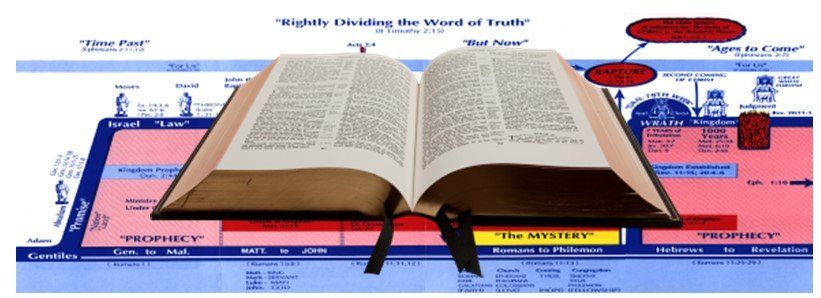
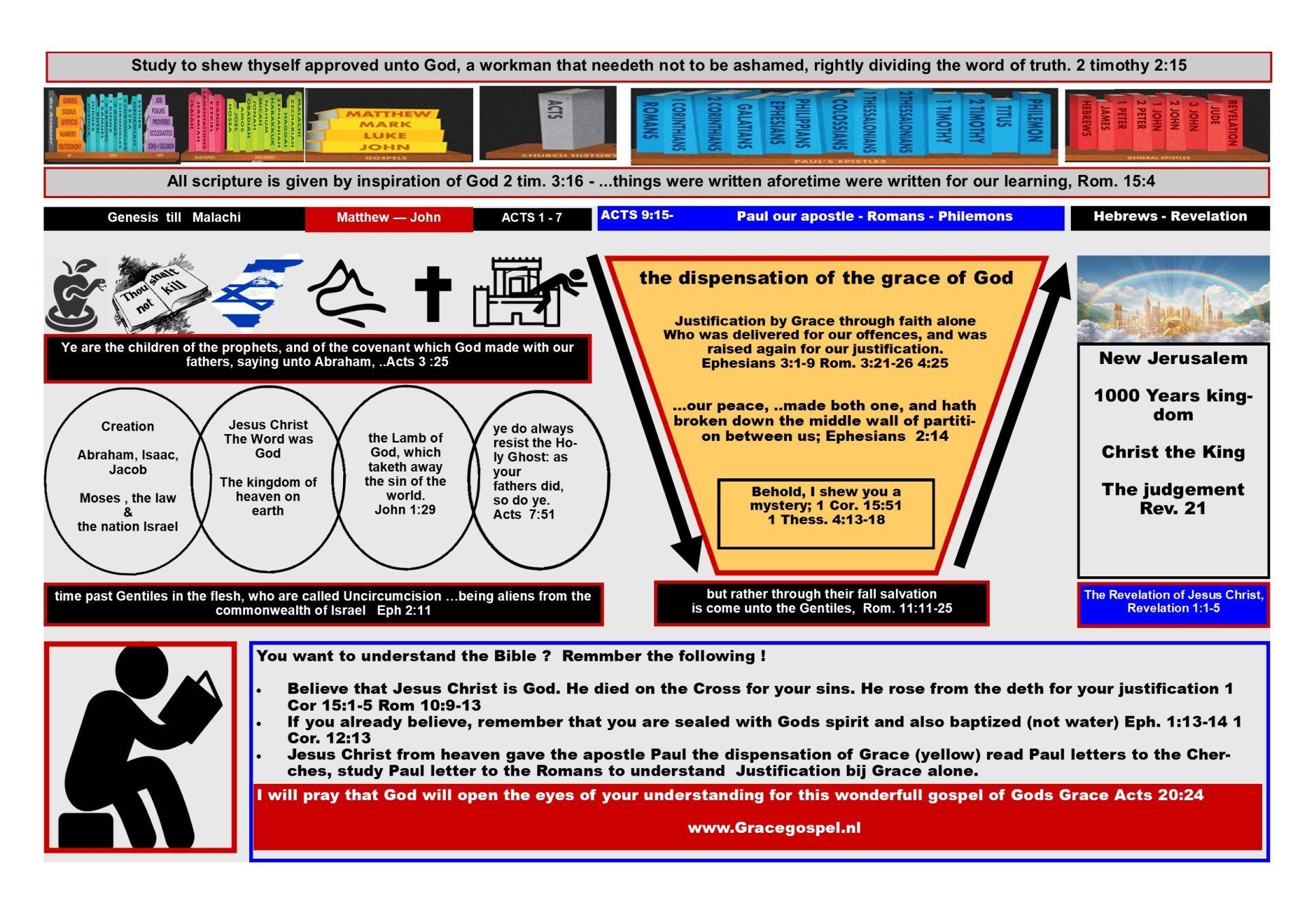
Download PDF THEY WHO ARE ISRAELITES (Romans, Chapter 9) When I look back on my life, I see a path that was not accidental. I was born in the land of Israel in 1957. The very fact that my parents brought me into the world is a foundational starting point, but no less important are the childhood years I was granted in this land its soil, its language, and the atmosphere in which I grew up. And yet, the true turning point in my life was not in my childhood, but years later. In 1979, I heard for the first time consciously and clearly about the love of God and His grace, grace revealed through our Lord Jesus Christ. It was not a philosophical idea or a passing emotional experience, but an encounter with a gospel. Thus I was saved. In 1980, something additional was opened to me: an understanding of what the apostle Paul describes as “the mystery” something kept in earlier generations, but revealed in this time. When I read his words, I understood that I was not facing another religious tradition, but a new divine administration of grace: Ephesians 3:3–5 (KJV) “How that by revelation he made known unto me the mystery; (as I wrote afore in few words, Whereby, when ye read, ye may understand my knowledge in the mystery of Christ) Which in other ages was not made known unto the sons of men, as it is now revealed unto his holy apostles and prophets by the Spirit;” That mystery was clear: the Gentiles and the Jews together are now called to the same inheritance, to the same body, and to the same promise in Christ Jesus by the gospel. At this stage I also understood the simplicity of faith, as Paul writes to the Romans: there is no demand for works, tradition, or past merits, but a call only to faith: Romans 10:9 (KJV) “That if thou shalt confess with thy mouth the Lord Jesus, and shalt believe in thine heart that God hath raised him from the dead, thou shalt be saved.” So I believed not out of pressure, not in search of a new identity, but out of recognition that this is the truth. That faith rested on the heart of the gospel itself, as Paul reminds the Corinthians: that Christ died for our sins, was buried, and rose again the third day, all according to what was written beforehand. Not a symbol, not a parable, but a historical act with eternal meaning. I believe that Jesus is the Lord. I believe that He is God manifested in flesh, entered into human history, died on the cross for our sins, and rose from the dead for our justification. This is the same truth that begins already with the first man, when sin and death entered the world, but reaches its fulfillment in Christ the second man who brings life and righteousness. This is the gospel I heard. This is the gospel I believed. And this is the gospel I believe to this day. From that moment of faith, I learned to understand what also happened to me spiritually: the Holy Spirit baptized me into unity with Christ and placed me into one body the body of Christ. Not by a ritual, but by an inward divine act. Yes, I was also sealed with the Holy Spirit of promise in that moment when I believed. Not as a changing feeling, but as a fixed seal of belonging. And as it is said in Acts: “And by him all that believe are justified from all things, from which ye could not be justified by the law of Moses.” Thus I stand to this day not by my own merit, not by works, but by grace. And this is my testimony. Acts 13:39 (KJV) “And by him all that believe are justified from all things, from which ye could not be justified by the law of Moses.” ISRAEL AND THE REVELATION OF THE MYSTERY The Epistle of Paul the Apostle to the Romans – Chapter 9 Romans 9:1–5 (KJV) “I say the truth in Christ, I lie not, my conscience also bearing me witness in the Holy Ghost, That I have great heaviness and continual sorrow in my heart. For I could wish that myself were accursed from Christ for my brethren, my kinsmen according to the flesh: Who are Israelites; to whom pertaineth the adoption, and the glory, and the covenants, and the giving of the law, and the service of God, and the promises; Whose are the fathers, and of whom as concerning the flesh Christ came, who is over all, God blessed for ever. Amen.” I was born in 1957 in the land of Israel. There is nothing unusual about that; people are born all the time, including in the land of Israel. In 1979, in a place called Eilat, I heard for the first time the gospel of salvation: Jesus is the Lord and the Christ, who died on the cross for my sins and rose again for my justification. Thus I was saved in a few simple words. What is unique in the story is not me, but the focus on Israel and the revelation of the mystery. I was given the privilege to hear about the dispensation of the grace of God something not to be taken for granted. To this day Saul of Tarsus asks us: Ephesians 3:1–6 (KJV) “For this cause I Paul, the prisoner of Jesus Christ for you Gentiles, If ye have heard of the dispensation of the grace of God which is given me to you-ward: How that by revelation he made known unto me the mystery; (as I wrote afore in few words, Whereby, when ye read, ye may understand my knowledge in the mystery of Christ) Which in other ages was not made known unto the sons of men, as it is now revealed unto his holy apostles and prophets by the Spirit; That the Gentiles should be fellowheirs, and of the same body, and partakers of his promise in Christ by the gospel:” Have you heard of the dispensation of the grace of God? The term “dispensation” is not familiar to many, and is not well liked. People do not like the idea that in order to understand God’s plan one must distinguish between the dispensation of the grace of God and His unique program for Israel. Many prefer a god shaped according to their own thoughts and desires. The dispensation of the grace of God teaches simply that today Jews and Gentiles who believe in the Lord Jesus are baptized into one body without any difference. This is the heart of the matter in the revelation of the mystery. “I say the truth in Christ, I lie not” it may sound strange that the apostle Paul must emphasize this, but he does not do so out of personal weakness or lack of credibility. He presents a hard, sensitive, and controversial truth, especially concerning Israel, the law, and the gospel of the grace of God. Therefore he testifies that he speaks “in Christ” out of calling and spiritual responsibility. The epistle to the Romans, which deals with righteousness by faith, is the foundation of Christian faith. It is the ABC for anyone seeking to understand why the Lord Jesus died on the cross for our sins and rose again for our justification. In this epistle Paul also speaks about the mystery: Romans 11:25–26 (KJV) “For I would not, brethren, that ye should be ignorant of this mystery, lest ye should be wise in your own conceits; that blindness in part is happened to Israel, until the fulness of the Gentiles be come in. And so all Israel shall be saved: as it is written, There shall come out of Sion the Deliverer, and shall turn away ungodliness from Jacob:” It was indeed a mystery kept with God: that a day would come when He would save Jews and Gentiles without distinction, and the Holy Spirit would baptize them into one body one assembly, the body of Christ. The apostle Paul wrote the epistle after the God of Abraham, Isaac, and Jacob set Israel aside temporarily as a nation, not as individuals. For one born from a Jewish background, this is a difficult truth; but for today this time of grace God saves sinners without distinction. Paul writes that he is willing to be accursed from Christ for his people. This reminds me of my beginning in faith in 1979. Despite many attempts to preach Jesus, most people including my close family remained in unbelief. WHO ARE THE ISRAELITES, AND WHAT IS THEIR DISTINCTIVENESS? ISRAELITES—the sons in the flesh of Abraham, Isaac, and Jacob, who is also called Israel. God chose them from among all peoples to be a light to the Gentiles. Deuteronomy 7:6 (KJV) “For thou art an holy people unto the LORD thy God: the LORD thy God hath chosen thee to be a special people unto himself, above all people that are upon the face of the earth.” THE ADOPTION—for the first time they were called sons unto God. THE GLORY—God revealed Himself to Israel above the mercy seat. THE COVENANTS—the covenants were made with Israel, not with the other nations. THE GIVING OF THE LAW—the law was given first and foremost to Israel. THE SERVICE OF GOD—the instructions how to serve God and be separated from idolatry. THE PROMISES—including the promise of the Holy Spirit, given first to Israel. THE FATHERS—Abraham, Isaac, and Jacob; and of them, as concerning the flesh, Christ came Jesus, God manifested in the flesh, of the seed of David. WHAT DOES IT MEAN TO BE “ACCURSED FROM CHRIST”? “To be accursed from Christ” means to be cut off from salvation. It does not mean transferring promises from Israel to the church, as certain teachings claim. The reason for the curse is that Israel, as a nation (not as individuals), did not receive Jesus as Messiah. “Stumbled at the stumblingstone”—that is, they stumbled, fell, and failed. Paul does not teach that the promises passed from Israel to the church. On the contrary, he warns against building theology on verses spoken to Israel but taken out of their context. Psalm 118:22 (KJV) “The stone which the builders refused is become the head stone of the corner.” This is the core issue: to stumble over Christ—and not receive Him. THE ISRAELITES AND THE GENTILES Romans 9:4–5 (KJV) “Who are Israelites; to whom pertaineth the adoption, and the glory, and the covenants, and the giving of the law, and the service of God, and the promises; Whose are the fathers, and of whom as concerning the flesh Christ came, who is over all, God blessed for ever. Amen.” The Israelites and the Gentiles is a very important truth also in 2026. On the one hand, the world looks toward the Middle East politically and militarily; on the other hand, as people who believe that Jesus is Lord, we must listen to what is said in the word of God for this time of grace. Paul does not write for nothing: Romans 9:2 (KJV) “That I have great heaviness and continual sorrow in my heart.” He writes this because a change took place in God’s plan. Many people to this day are not willing to accept the change and continue to preach as if Jews can be saved without the Lord Jesus Christ. They teach this out of apology for the wrong done to Jews throughout history. Others take the next verse out of its context: Romans 11:26 (KJV) “And so all Israel shall be saved: as it is written, There shall come out of Sion the Deliverer, and shall turn away ungodliness from Jacob:” Therefore it is important that we understand which “Israel” the apostle is speaking about, and most of all that we learn to distinguish between God’s promises to Abraham for Israel under the thousand-year kingdom and the time of grace and the assembly of believers, the body of Christ. This is a very difficult subject to explain in 2026, because many people still think their church organization inherited the promises God gave to Israel. In any case, Paul is not sad for nothing. From a religious man persecuting the assembly of believers, he was saved by the grace of God. I also sometimes ask myself why I was saved in 1979 while many people around me could also have believed. The answer is very simple: Psalm 118:22 (KJV) “The stone which the builders refused is become the head stone of the corner.” Jesus is the rock. We can accept that there is a rock, or we can fall upon it. Israel had, up to a certain stage, an advantage over the Gentiles, as it is said: the adoption; the glory; the covenants; the giving of the law; the service of God; the promises; the fathers; and of them Christ came as concerning the flesh Jesus, God manifested in the flesh, of the seed of David. This was Israel’s spiritual advantage over the other nations not because they were better people, but because of Deuteronomy 7:7–8—choice because of the oath to the fathers: Deuteronomy 7:7–8 (KJV) “The LORD did not set his love upon you, nor choose you, because ye were more in number than any people; for ye were the fewest of all people: But because the LORD loved you, and because he would keep the oath which he had sworn unto your fathers, hath the LORD brought you out with a mighty hand, and redeemed you out of the house of bondmen, from the hand of Pharaoh king of Egypt.” This was Israel’s advantage over the nations, until the Lord Jesus died on the cross to fulfil the law and redeem the believer from the curse of the law. These are very strong matters, especially when many people in 2026 believe that the law of Moses was also given to the Gentiles. It is very difficult for people today, including Jews who believe in Jesus and Gentiles who believe in Jesus, that Christ is the end of the law: Romans 10:4 (KJV) “For Christ is the end of the law for righteousness to every one that believeth.” Romans 9:6 (KJV) “Not as though the word of God hath taken none effect. For they are not all Israel, which are of Israel:” To this day there is a great argument who is a Jew. According to Jewish law a Jew begins with a Jewish mother and so it passes. He is a Jew even if he does not practice Judaism at all religious versus secular. Over the years Jews became a kind of people with language and culture Sephardi or Ashkenazi, etc. Here it speaks about Israel, the nation twelve tribes, etc. Meaning not everyone who was of Abraham’s seed is a son of God, because the inheriting seed is through Isaac. There is a distinction in Scripture between the children of the flesh and the children of the promise. One can compare this to the difference between religion and faith. Many were born or baptized into the Christian religion. That does not make them saved, because salvation is only by the grace of God through faith. It is important to note again and again the meaning of the name Israel instead of Jacob: Genesis 32:28 (KJV) “And he said, Thy name shall be called no more Jacob, but Israel: for as a prince hast thou power with God and with men, and hast prevailed.” Everything returns here to one very important point: faith. Paul emphasizes in verse 6 that the word of God has not fallen because Jewish leaders did not receive Jesus as Messiah, because after all, not all who are of Israel are Israel. Meaning not everyone has the same faith that Abraham, Isaac, and Jacob had. This is also why the Lord Jesus said: Matthew 3:9 (KJV) “And think not to say within yourselves, We have Abraham to our father: for I say unto you, that God is able of these stones to raise up children unto Abraham.” Many people think everything is automatic, or that because they baptized their children in water, their children were automatically baptized into covenant with God, and the same in the context of circumcision. THE SEED OF ABRAHAM—ISAAC AND JACOB Romans 9:7–8 (KJV) “Neither, because they are the seed of Abraham, are they all children: but, In Isaac shall thy seed be called. That is, They which are the children of the flesh, these are not the children of God: but the children of the promise are counted for the seed.” The apostle Paul teaches us here, by the inspiration of the Holy Spirit, a foundational point in God’s plan: not everyone who is of Abraham’s seed according to the flesh is automatically counted as the seed of promise. We must remember this. Today, according to Jewish law, whoever is born to a Jewish mother is considered Jewish. According to the laws of Orthodox and Protestant/Reformed churches, every child or girl/boy baptized in water is automatically baptized into covenant with God. That is how they teach, and therefore they also claim that their church received the promises of Israel. Therefore it is very important that we listen to the words of the Lord Jesus under this dispensation of grace through the apostle Paul regarding this important subject. “In Isaac shall thy seed be called” meaning: the promise does not pass through nature, birth, or law, but through divine choice and promise. Children of the flesh versus children of promise. Ishmael was born before the promise of the seed, connected to a human solution, and is not counted as the seed of promise: Genesis 16:15 (KJV) “And Hagar bare Abram a son: and Abram called his son’s name, which Hagar bare, Ishmael.” The true seed is that which is born out of what God promised, not out of what man produces. Meaning there are religions that teach that infant baptism in water can produce salvation or closeness to God. Another very important point: the promise came before the law. The promise was given to Abraham long before the giving of the law at Sinai. Therefore it is not based on commandments, not dependent on keeping law, and cannot be annulled by failure under the law: Genesis 12:3 (KJV) “And I will bless them that bless thee, and curse him that curseth thee: and in thee shall all families of the earth be blessed.” Galatians 3:16–18 (KJV) “Now to Abraham and his seed were the promises made. He saith not, And to seeds, as of many; but as of one, And to thy seed, which is Christ. And this I say, that the covenant, that was confirmed before of God in Christ, the law, which was four hundred and thirty years after, cannot disannul, that it should make the promise of none effect. For if the inheritance be of the law, it is no more of promise: but God gave it to Abraham by promise.” The promise to Abraham speaks of one, not many, as many think. The One is the Lord Jesus Christ. Therefore we speak about the difference between God’s promises to Abraham through Christ Jesus for Israel and God’s promises to Abraham in Christ Jesus for the assembly of believers, the body of Christ meaning righteousness by faith alone. God started with a promise, not with law. The law came later and does not cancel the promise. Therefore: the children of promise come before the children of the flesh, and this is the basis for understanding Israel, the Messiah, and the dispensation of the grace of God. Romans 9:9–11 (KJV) “For this is the word of promise, At this time will I come, and Sara shall have a son. And not only this; but when Rebecca also had conceived by one, even by our father Isaac; (For the children being not yet born, neither having done any good or evil, that the purpose of God according to election might stand, not of works, but of him that calleth;)” The seed of Abraham under the dispensation of the grace of God is a very important subject. The religious Jew speaks about circumcision. The religious Christian speaks about infant baptism, which allegedly came instead of circumcision. The apostle Paul speaks about the purpose of God according to election, not works. God’s plan to save people by His grace through the Lord Jesus Christ is not cancelled just because Israel repeatedly rejected the testimony of the twelve apostles concerning the kingdom of heaven on earth. The reason is because God’s plan is not based on the works of men, but on the promise of God given long before. That is the principle here. “but of him that calleth” everything rests on the will of God, His plan, and His calling. Romans 8:28–30 (KJV) “And we know that all things work together for good to them that love God, to them who are the called according to his purpose. For whom he did foreknow, he also did predestinate to be conformed to the image of his Son, that he might be the firstborn among many brethren. Moreover whom he did predestinate, them he also called: and whom he called, them he also justified: and whom he justified, them he also glorified.” The calling comes through the gospel (not through law or works): Romans 10:14–17 (KJV) “How then shall they call on him in whom they have not believed? and how shall they believe in him of whom they have not heard? and how shall they hear without a preacher? And how shall they preach, except they be sent? as it is written, How beautiful are the feet of them that preach the gospel of peace, and bring glad tidings of good things! But they have not all obeyed the gospel. For Esaias saith, Lord, who hath believed our report? So then faith cometh by hearing, and hearing by the word of God.” Meaning people must hear the gospel of their salvation. The God of Abraham, Isaac, and Jacob calls people today by hearing the gospel. The calling is not mystical; it is not connected to some church, but is spoken in the word of God as the Lord Jesus committed it to the apostle Paul. The calling is a calling of grace, not works: 2 Timothy 1:9 (KJV) “Who hath saved us, and called us with an holy calling, not according to our works, but according to his own purpose and grace, which was given us in Christ Jesus before the world began,” The calling is a calling of faith in Christ: Romans 9:24 (KJV) “Even us, whom he hath called, not of the Jews only, but also of the Gentiles?” Today the calling is open to Jews and Gentiles alike, and the response to it is faith, not natural belonging. Romans 10:8–17 (KJV) “But what saith it? The word is nigh thee, even in thy mouth, and in thy heart: that is, the word of faith, which we preach; That if thou shalt confess with thy mouth the Lord Jesus, and shalt believe in thine heart that God hath raised him from the dead, thou shalt be saved. For with the heart man believeth unto righteousness; and with the mouth confession is made unto salvation. For the scripture saith, Whosoever believeth on him shall not be ashamed. For there is no difference between the Jew and the Greek: for the same Lord over all is rich unto all that call upon him. For whosoever shall call upon the name of the Lord shall be saved. How then shall they call on him in whom they have not believed? and how shall they believe in him of whom they have not heard? and how shall they hear without a preacher? And how shall they preach, except they be sent? as it is written, How beautiful are the feet of them that preach the gospel of peace, and bring glad tidings of good things! But they have not all obeyed the gospel. For Esaias saith, Lord, who hath believed our report? So then faith cometh by hearing, and hearing by the word of God.” 1 Corinthians 15:1–4 (KJV) “Moreover, brethren, I declare unto you the gospel which I preached unto you, which also ye have received, and wherein ye stand; By which also ye are saved, if ye keep in memory what I preached unto you, unless ye have believed in vain. For I delivered unto you first of all that which I also received, how that Christ died for our sins according to the scriptures; And that he was buried, and that he rose again the third day according to the scriptures:” 1 Corinthians 1:9 (KJV) “God is faithful, by whom ye were called unto the fellowship of his Son Jesus Christ our Lord.” God calls us to fellowship with the Lord Jesus, not to membership in one religious organization or another. The calling concerns far more than the believer’s salvation. 2 Corinthians 5:17 (KJV) “Therefore if any man be in Christ, he is a new creature: old things are passed away; behold, all things are become new.” The concept of a new creature under the dispensation of the grace of God speaks of a new identity in Christ. Man is now defined: not by his past Christian, Jew, Muslim, etc. not by the flesh water baptism, circumcision, etc. but by what God has done for him in Christ in His death on the cross and resurrection from the dead. Romans 9:12–13 (KJV) “It was said unto her, The elder shall serve the younger. As it is written, Jacob have I loved, but Esau have I hated.” Paul is not speaking here about personal preference or emotion in God, but about a divine principle in the plan of salvation not according to the flesh. Everything stands on the grace of God, not on natural advantage or birthright. Jacob was chosen not because of his merits, and Esau was not rejected because of wickedness; it speaks here about calling and purpose—“loved / hated”—“loved” = chosen to carry the promise; “hated” = not chosen for this line for this role. Jacob and Esau represent here, one Israel and the other the nations. Not everyone has the same role in God’s plan, but in the end all are measured by faith. Under the dispensation of the grace of God the principle is that the flesh does not determine, but grace and faith are the basis. “Jacob have I loved, but Esau have I hated”—this is not a story of personal preference but of a divine plan built on promise, grace, and faith, not on the flesh. In one sentence: God chose the line of promise, built on one Seed—the Lord Jesus Christ—Abraham, Isaac, and Jacob; and as Paul says: 2 Timothy 2:8 (KJV) “Remember that Jesus Christ of the seed of David was raised from the dead according to my gospel:” Romans 15:8–12 (KJV) “Now I say that Jesus Christ was a minister of the circumcision for the truth of God, to confirm the promises made unto the fathers: And that the Gentiles might glorify God for his mercy; as it is written, For this cause I will confess to thee among the Gentiles, and sing unto thy name. And again he saith, Rejoice, ye Gentiles, with his people. And again, Praise the Lord, all ye Gentiles; and laud him, all ye people. And again, Esaias saith, There shall be a root of Jesse, and he that shall rise to reign over the Gentiles; in him shall the Gentiles trust.” IS THERE UNRIGHTEOUSNESS WITH GOD? Romans 9:14–21 (KJV) “What shall we say then? Is there unrighteousness with God? God forbid. For he saith to Moses, I will have mercy on whom I will have mercy, and I will have compassion on whom I will have compassion. So then it is not of him that willeth, nor of him that runneth, but of God that sheweth mercy. For the scripture saith unto Pharaoh, Even for this same purpose have I raised thee up, that I might shew my power in thee, and that my name might be declared throughout all the earth. Therefore hath he mercy on whom he will have mercy, and whom he will he hardeneth. Thou wilt say then unto me, Why doth he yet find fault? For who hath resisted his will? Nay but, O man, who art thou that repliest against God? Shall the thing formed say to him that formed it, Why hast thou made me thus? Hath not the potter power over the clay, of the same lump to make one vessel unto honour, and another unto dishonour?” If God chooses according to His will, some people think it is not fair. This is not about choosing which individuals will receive the gift of eternal life and which will not. Exodus 33:19 (KJV) “And he said, I will make all my goodness pass before thee, and I will proclaim the name of the LORD before thee; and will be gracious to whom I will be gracious, and will shew mercy on whom I will shew mercy.” This verse was spoken after the sin of the golden calf, when Israel was not worthy of grace. From this verse we learn that the grace of God and His mercies are sovereign and not based on human response. This is the verse Paul explicitly quotes in Romans 9:15 to show that there is no unrighteousness with God, but that salvation rests on mercy, not works. “So then it is not of him that willeth, nor of him that runneth, but of God that sheweth mercy” meaning our will to serve God or our running to do something for Him cannot bring salvation. It is in the hand of God who shows mercy He, in His great mercies, saved us: Ephesians 2:4–5 (KJV) “But God, who is rich in mercy, for his great love wherewith he loved us, Even when we were dead in sins, hath quickened us together with Christ, (by grace ye are saved;)” Now let us speak a little about Pharaoh: Exodus 9:16 (KJV) “And in very deed for this cause have I raised thee up, for to shew in thee my power; and that my name may be declared throughout all the earth.” The verse was spoken to Pharaoh in the midst of the plagues of Egypt, and it emphasizes: God uses Pharaoh’s evil so that His power would be revealed, and His greatness would be known in all the earth. God did not create Pharaoh like that, but used him so that the riches of His grace for Israel would be known to all. Everything stands on mercy, not works. Paul quotes Exodus 9:16 in Romans 9:17 to show that God is sovereign and His promise for Israel stands even against human resistance as in the case of Pharaoh. Romans 9:24 (KJV) “Even us, whom he hath called, not of the Jews only, but also of the Gentiles?” The epistle to the Romans was written for Jews and Gentiles in one body, for the assembly, the body of Christ. Here we come to the more important part in chapter 9: Romans 9:22–25 (KJV) “What if God, willing to shew his wrath, and to make his power known, endured with much longsuffering the vessels of wrath fitted to destruction: And that he might make known the riches of his glory on the vessels of mercy, which he had afore prepared unto glory, Even us, whom he hath called, not of the Jews only, but also of the Gentiles? As he saith also in Osee, I will call them my people, which were not my people; and her beloved, which was not beloved.” The sovereignty of God allows Him to endure the wrath of men as in Pharaoh’s case so that His will would be fulfilled. God did not replace Israel with the Gentiles. God, in the riches of His grace, used Satan’s blindness and calls today Jews and Gentiles into one body. 1 Corinthians 1:23–24 (KJV) “But we preach Christ crucified, unto the Jews a stumblingblock, and unto the Greeks foolishness; But unto them which are called, both Jews and Greeks, Christ the power of God, and the wisdom of God.” 1 Corinthians 1:27–31 (KJV) “But God hath chosen the foolish things of the world to confound the wise; and God hath chosen the weak things of the world to confound the things which are mighty; And base things of the world, and things which are despised, hath God chosen, yea, and things which are not, to bring to nought things that are: That no flesh should glory in his presence. But of him are ye in Christ Jesus, who of God is made unto us wisdom, and righteousness, and sanctification, and redemption: That, according as it is written, He that glorieth, let him glory in the Lord.” Here too God used the evil of the rulers of this world—those who thought that if they crucified the Lord Jesus, God’s plan would not be fulfilled. But God, in His great grace and love, saves us on the basis that Jesus died on the cross and rose again. 1 Corinthians 2:7–9 (KJV) “But we speak the wisdom of God in a mystery, even the hidden wisdom, which God ordained before the world unto our glory: Which none of the princes of this world knew: for had they known it, they would not have crucified the Lord of glory. But as it is written, Eye hath not seen, nor ear heard, neither have entered into the heart of man, the things which God hath prepared for them that love him.” Romans 9:24 (KJV) “Even us, whom he hath called, not of the Jews only, but also of the Gentiles?” These are not church people who were baptized in water. These are Jews and Gentiles who received Jesus as Lord and Saviour, and the Holy Spirit baptized them into unity with Christ: 1 Corinthians 12:13 (KJV) “For by one Spirit are we all baptized into one body, whether we be Jews or Gentiles, whether we be bond or free; and have been all made to drink into one Spirit.” “NOT MY PEOPLE” Romans 15:4 (KJV) “For whatsoever things were written aforetime were written for our learning, that we through patience and comfort of the scriptures might have hope.” Romans 9:25–26 (KJV) “As he saith also in Osee, I will call them my people, which were not my people; and her beloved, which was not beloved. And it shall come to pass, that in the place where it was said unto them, Ye are not my people; there shall they be called the children of the living God.” “Not my people” and “not beloved” speak of a time when there was a separation between Israel and God, but not a rejection forever. Every time the God of Abraham, Isaac, and Jacob restores Israel, it is not because of their status, but because of His faithfulness and the promise to the fathers. (Hosea 2:23; Hosea 1:10) Meaning that if at one time God chooses to show His wrath and at another time the riches of His grace, it is all based on His sovereignty and His plan to save people, because if everything depended on men, we would have no hope. Romans 9:27–29 (KJV) “Esaias also crieth concerning Israel, Though the number of the children of Israel be as the sand of the sea, a remnant shall be saved: For he will finish the work, and cut it short in righteousness: because a short work will the Lord make upon the earth. And as Esaias said before, Except the Lord of Sabaoth had left us a seed, we had been as Sodoma, and been made like unto Gomorrha.” The meaning of the verse is that quantity does not determine anything with the God of Abraham, Isaac, and Jacob, even if Israel be as the sand of the sea. The existence of the remnant is the central fact, not the size of the nation. God does not save people according to quantity or their right in the flesh. By God’s sovereignty He always saves people through His grace and on the basis of their faith. Most of the nation rejected the gospel of the twelve apostles about Jesus Christ. Most of the nation rejected the testimony of the apostle Paul about the atoning death of Jesus on the cross. If it were not the God of Abraham, Isaac, and Jacob and His plan to save mankind, we would have been almost as Sodom and like unto Gomorrah—meaning without hope. Thanks to the God of Abraham, Isaac, and Jacob and the Lord Jesus, the apostle Paul received the gospel of the grace of God, by which Jews and Gentiles can be saved. No one takes the place of the other, because it speaks of a body of believers whose existence was kept secret until it was revealed to the apostle Paul. This is also the testimony the apostle Paul gave to the Jews in the synagogue: Acts 13:38–39 (KJV) “Be it known unto you therefore, men and brethren, that through this man is preached unto you the forgiveness of sins: And by him all that believe are justified from all things, from which ye could not be justified by the law of Moses.” THE RIGHTEOUSNESS WHICH IS OF FAITH Romans 9:30–33 (KJV) “What shall we say then? That the Gentiles, which followed not after righteousness, have attained to righteousness, even the righteousness which is of faith. But Israel, which followed after the law of righteousness, hath not attained to the law of righteousness. Wherefore? Because they sought it not by faith, but as it were by the works of the law. For they stumbled at that stumblingstone; As it is written, Behold, I lay in Sion a stumblingstone and rock of offence: and whosoever believeth on him shall not be ashamed.” Isaiah 28:16 (KJV) “Therefore thus saith the Lord GOD, Behold, I lay in Zion for a foundation a stone, a tried stone, a precious corner stone, a sure foundation: he that believeth shall not make haste.” The Gentiles—nations of the world: Ephesians 2:12 (KJV) “That at that time ye were without Christ, being aliens from the commonwealth of Israel, and strangers from the covenants of promise, having no hope, and without God in the world:” Why did Israel, with all its spiritual advantages, fail spiritually, while the Gentiles attained righteousness without even seeking it? “The Gentiles, which followed not after righteousness, have attained to righteousness… even the righteousness which is of faith.” The Gentiles did not seek righteousness through law, covenants, or works. They received righteousness as a gift of grace, by faith alone. This is not about moral superiority of Gentiles, but simple reception of the gospel of the grace of God. The law of Moses was not evil. The problem was using the law as a means to obtain righteousness. Israel followed after the law of righteousness in the power of the flesh religious zeal, etc. “Because they sought it not by faith, but as it were by the works of the law.” Israel sought righteousness as wages, not as a gift, not as the fruit of faith. “For they stumbled at that stumblingstone… and whosoever believeth on him shall not be ashamed.” Christ Himself is the stumblingstone—not because He is a stumblingstone in Himself, but because He requires faith alone. To the believer, He is a sure foundation; to the one who seeks to justify himself, He is an offence. The Gentiles were saved not because they sought, but because they believed. Israel failed not because it sought, but because it sought in the wrong way. The same stone saves the believer and causes the self-trusting to stumble. This is the move from law to grace in God’s present dispensation.